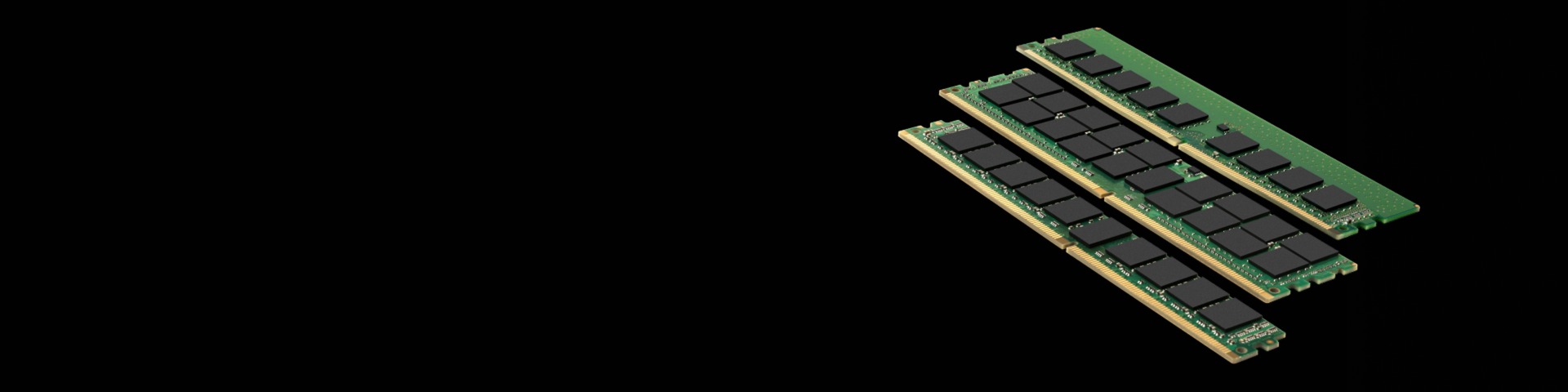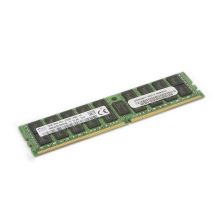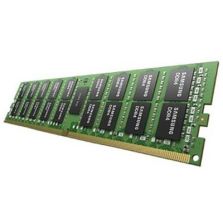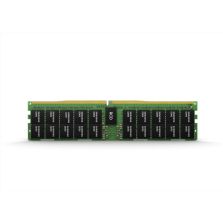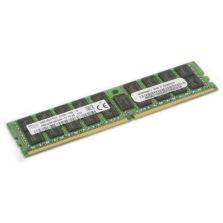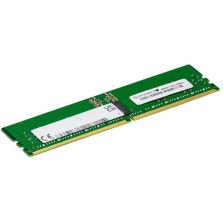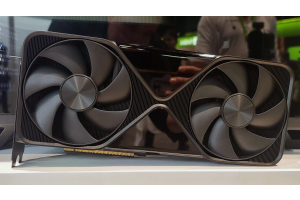


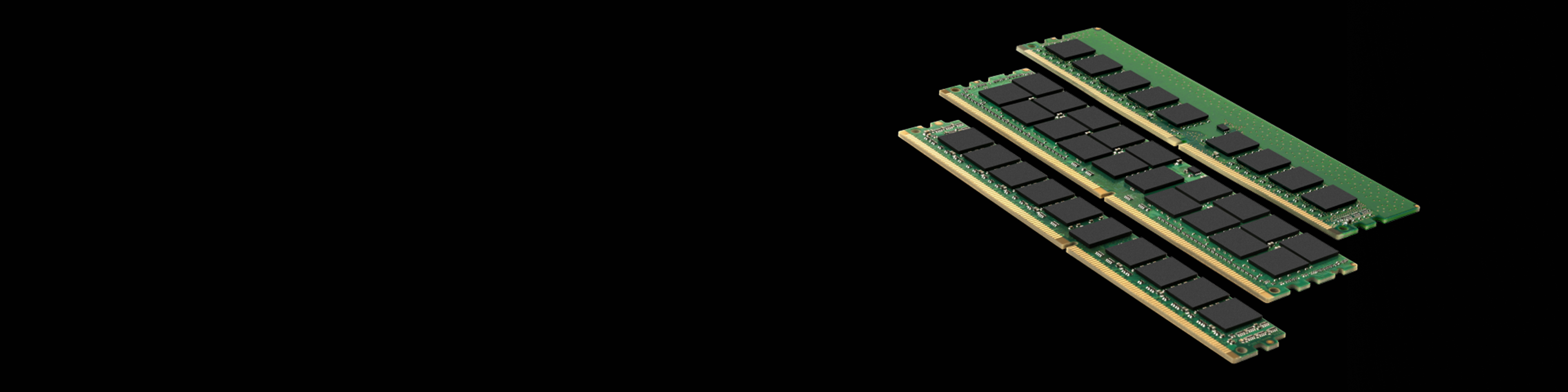
Graphics cards are not the only components affected by the rapid expansion of AI infrastructure. ServerServer memory has also become a critical part of the supply chain.
Modern AI servers require large amounts of RAM alongside GPUs, CPUs, storageStorage and networking hardware. Memory is needed for data preprocessing, virtualization, inference services, databases, caching and the many CPU-side operations that support GPU workloads.
As cloud providers and data-center operators continue to secure inventory, the serverServer memory market has become tighter. The most exposed products are not ordinary desktop RAM kits. Demand is concentrated around DDR5 ECC Registered DIMMs, especially high-capacity modules used in enterprise servers and AI-ready systems.
This guide explains which serverServer RAM types are receiving the most attention, why prices are increasing and what buyers should verify before ordering memory for a serverServer upgrade.
Which ServerServer Memory Modules Are in High Demand?
The strongest commercial demand is centered around DDR5 ECC RDIMM serverServer memory. However, different capacities and form factors serve different use cases.
The following table provides a practical overview.
| ServerServer Memory Type | Typical Use Case | Market Relevance in 2026 |
|---|---|---|
| 64GB DDR5 ECC RDIMM 4800 MT/s | Entry-level DDR5 serverServer upgrades | Widely used and commercially important |
| 64GB DDR5 ECC RDIMM 5600 MT/s | Modern enterprise servers and virtualization | High-priority product for serverServer catalogs |
| 96GB DDR5 ECC RDIMM 5600 MT/s | Higher-capacity configurations with fewer modules | Increasingly relevant for dense systems |
| 128GB DDR5 ECC RDIMM 5600 MT/s | AI servers, databases and memory-intensive workloads | One of the most important high-capacity modules |
| 128GB DDR5 ECC RDIMM 6400 MT/s | Newer serverServer platforms requiring higher bandwidth | Premium serverServer-memory segment |
| 64GB DDR5 MRDIMM 8800 MT/s | Bandwidth-sensitive workloads on compatible platforms | Emerging high-performance category |
| 96GB DDR5 MRDIMM 8800 MT/s | HPC and modern data-center systems | Specialized but increasingly important |
| 128GB DDR5 MRDIMM 8800 MT/s | AI, HPC and high-core-count serverServer CPUs | Premium bandwidth-focused option |
| 256GB DDR5 RDIMM | Next-generation AI and HPC infrastructure | Emerging product; availability remains limited |
| 32GB DDR4 ECC RDIMM 3200 MT/s | Existing DDR4 serverServer fleets | Important replacement-market product |
| 64GB DDR4 ECC RDIMM 3200 MT/s | Older enterprise servers and virtualization hosts | Strong legacy-upgrade demand |
| 128GB DDR4 ECC LRDIMM 3200 MT/s | High-capacity DDR4 servers | Specialized replacement-market product |
Availability changes by manufacturer, region and exact part number. A module can be available from one supplier and difficult to source from another. Buyers should focus on the exact MPN, compatibility and delivery terms rather than assuming that every DIMM with the same capacity is interchangeable.
Why Is ServerServer RAM Becoming Harder to Source?
The shortage is the result of several overlapping market forces.
1. AI data centers consume more memory at every layer
AI infrastructure is often discussed as a GPU market, but GPUs are only one part of a working system.
A modern AI deployment may require:
- GPU servers for training and inference;
- CPU servers for orchestration and preprocessing;
- large memory pools for caching and data handling;
- virtualization hosts;
- database nodes;
- storageStorage servers;
- networking and management systems.
Each layer consumes memory. When AI data centers expand, the demand for serverServer RAM increases alongside demand for accelerators.
2. Memory manufacturers are prioritizing higher-value products
The same major manufacturers supply multiple memory markets. Production capacity must be allocated among conventional DRAM, DDR5 serverServer memory, mobile memory and high-bandwidth memory for AI accelerators.
High-bandwidth memory, commonly known as HBM, is essential for advanced AI GPUs. As suppliers increase HBM output, less capacity may be available for other memory categories.
This does not mean that DDR5 RDIMM production has stopped. It means that demand is rising faster than the market can easily add new manufacturing capacity.
3. Cloud providers compete for large allocations
Hyperscale cloud providers and major data-center operators purchase memory in large volumes. Smaller buyers, system integrators and independent stores usually do not have the same allocation priority.
As a result, the market can remain difficult for smaller businesses even when large customers continue receiving shipments under long-term contracts.
4. New production capacity takes time
Memory manufacturing cannot be expanded immediately. Adding meaningful output requires cleanroom capacity, equipment, validation and long-term investment.
Even when consumer-device demand becomes weaker, serverServer demand can keep the market tight.
The Most Important ServerServer RAM Keywords for Buyers
The following memory types deserve the most attention when sourcing components or building a serverServer-memory catalog.
64GB DDR5 ECC RDIMM 5600 MT/s
The 64GB DDR5 ECC RDIMM 5600 is one of the most practical products for modern serverServer upgrades.
It offers a useful balance of capacity, price and platform compatibility. It can be used in virtualization servers, database systems, cloud infrastructure and many general-purpose enterprise workloads.
A serverServer with sixteen 64GB modules can reach 1TB of installed RAM, provided the CPU and motherboard support the configuration.
This makes the 64GB DDR5 RDIMM an important product for buyers who need scalable serverServer memory without immediately moving into the premium 128GB-module segment.
Useful search terms:
64GB DDR5 ECC RDIMM64GB DDR5 RDIMM 560064GB PC5-44800 ECC Registered memory64GB DDR5 server RAM64GB DDR5 RDIMM for server
96GB DDR5 ECC RDIMM 5600 MT/s
The 96GB DDR5 ECC RDIMM is an increasingly useful middle-ground option.
It offers more capacity per memory slot than a 64GB module while avoiding the higher price of some 128GB configurations. This can matter when a serverServer has limited DIMM slots or when a buyer wants to preserve room for future expansion.
Useful search terms:
96GB DDR5 ECC RDIMM96GB DDR5 RDIMM 560096GB PC5-44800 ECC server memory96GB DDR5 registered server RAM
128GB DDR5 ECC RDIMM 5600 MT/s
The 128GB DDR5 ECC RDIMM 5600 is one of the most important modules for AI-ready servers and data-center systems.
High-capacity RDIMMs allow buyers to increase total memory without filling every available DIMM slot. That can simplify future upgrades and improve memory density per serverServer.
These modules are especially relevant for:
- AI-supporting CPU servers;
- virtualization clusters;
- large databases;
- in-memory analytics;
- enterprise cloud systems;
- high-core-count serverServer platforms;
- data-intensive workloads.
Micron, for example, positions its 128GB DDR5 RDIMM as a high-capacity data-center product designed for AI and other compute-intensive workloads.
Useful search terms:
128GB DDR5 ECC RDIMM128GB DDR5 RDIMM 5600128GB PC5-44800 ECC Registered memory128GB DDR5 server RAM128GB ECC memory for AI server128GB DDR5 RDIMM Micron128GB DDR5 RDIMM Samsung128GB DDR5 RDIMM SK hynix
128GB DDR5 ECC RDIMM 6400 MT/s
The 128GB DDR5 ECC RDIMM 6400 belongs to the premium serverServer-memory category.
Compared with slower modules, DDR5-6400 can provide more bandwidth when the serverServer platform supports it. However, buyers should not assume that a faster DIMM will automatically run at its rated speed.
Actual memory speed depends on:
- the CPU generation;
- motherboard support;
- serverServer BIOS;
- number of installed DIMMs;
- number of modules per memory channel;
- the validated memory configuration.
A DDR5-6400 module may operate at a lower speed in a serverServer that does not support the full specification.
Useful search terms:
128GB DDR5 ECC RDIMM 6400128GB DDR5 RDIMM 6400 server memory128GB PC5-51200 ECC Registered RAMhigh-capacity DDR5 server RAM
DDR5 MRDIMM 8800 MT/s
MRDIMM, or Multiplexed Rank DIMM, is an emerging serverServer-memory category designed for higher bandwidth.
Traditional RDIMMs remain the main commercial choice for many servers. MRDIMMs are intended for compatible modern platforms where memory bandwidth per CPU core is becoming a bottleneck.
Micron lists DDR5 MRDIMM products from 32GB to 256GB and positions them for memory-intensive AI and high-performance computing workloads.
A first-generation 128GB DDR5 MRDIMM 8800 MT/s can provide substantially more bandwidth than a 128GB DDR5 RDIMM 6400 MT/s in compatible systems.
The important limitation is compatibility: MRDIMMs should only be purchased for platforms that explicitly support them.
Useful search terms:
DDR5 MRDIMM server memory64GB DDR5 MRDIMM 880096GB DDR5 MRDIMM 8800128GB DDR5 MRDIMM 8800MRDIMM for Intel Xeon 6high-bandwidth server memoryMRDIMM for AI server
256GB DDR5 RDIMM
The 256GB DDR5 RDIMM is an important product to watch, but it is not yet an ordinary upgrade module for most buyers.
In May 2026, Micron announced that it had begun sampling a 256GB DDR5 RDIMM to serverServer ecosystem partners for platform validation. The module is designed for next-generation AI and high-performance computing infrastructure.
A 256GB DIMM can help data-center operators increase memory capacity per socket while remaining within power and thermal limits.
For a typical buyer, the practical conclusion is simple: confirm actual availability and platform support before planning a build around 256GB modules.
Useful search terms:
256GB DDR5 ECC RDIMM256GB DDR5 RDIMM server memory256GB DDR5 registered memory256GB server RAM for AI infrastructurehigh-capacity DDR5 RDIMM
DDR4 ECC RDIMM 3200 MT/s
DDR5 is the main growth category, but DDR4 ECC RDIMM remains commercially important.
Many data centers still operate servers built around DDR4 platforms. These systems continue to need replacement memory and capacity upgrades.
At the same time, manufacturers have been reducing their focus on older DDR4 products as resources shift toward newer and more profitable memory technologies. That can create supply pressure in the replacement market.
For older servers, DDR4 modules may still be the correct purchase. Replacing an entire serverServer platform is not always economical when the existing hardware remains suitable for the workload.
Useful search terms:
32GB DDR4 ECC RDIMM 320064GB DDR4 ECC RDIMM 3200128GB DDR4 ECC LRDIMM 3200DDR4 PC4-25600 ECC Registered memoryDDR4 server RAM replacementDDR4 ECC memory for Dell PowerEdgeDDR4 ECC memory for HPE ProLiantDDR4 ECC memory for Lenovo ThinkSystemDDR4 ECC memory for Supermicro server
HBM3E and HBM4: The Most Critical AI Memory, but Not a Standard RAM Upgrade
The most strategically important AI memory is HBM, including HBM3E and the newer HBM4 generation.
HBM is used alongside advanced AI accelerators. It provides the bandwidth required for demanding GPU workloads.
However, HBM is not a conventional serverServer RAM module. It is not an RDIMM that a customer can install into an ordinary motherboard. Buyers usually obtain it as part of a GPU, accelerator or complete serverServer platform.
For an online hardware store, HBM is an important subject for educational content, but it should not be confused with separately sold server DIMMs.
| Memory Type | Can It Be Purchased as a Typical Server Upgrade? | Main Use |
| DDR5 ECC RDIMM | Yes | Enterprise servers and data centers |
| DDR5 MRDIMM | Yes, for compatible platforms | High-bandwidth servers, AI and HPC |
| DDR4 ECC RDIMM | Yes | Existing DDR4 server fleets |
| DDR4 ECC LRDIMM | Yes, for compatible servers | High-capacity legacy platforms |
| HBM3E / HBM4 | Usually no | AI GPUs and accelerators |
| SOCAMM2 | Specialized emerging format | Next-generation low-power AI systems |
RDIMM, UDIMM and LRDIMM: Do Not Order the Wrong Memory
Capacity and speed are not the only specifications that matter.
Server buyers must identify the correct module type.
RDIMM
RDIMM stands for Registered Dual In-line Memory Module. A register is placed between the DRAM chips and the memory controller to improve signal integrity and scalability.
RDIMMs are commonly used in enterprise servers.
UDIMM
UDIMM stands for Unbuffered Dual In-line Memory Module. UDIMMs are common in desktops and some entry-level systems.
A server designed for RDIMMs should not be treated as compatible with ordinary desktop UDIMMs.
LRDIMM
LRDIMM stands for Load-Reduced Dual In-line Memory Module. LRDIMMs are used in some high-capacity server configurations.
They should only be purchased after verifying server support.
MRDIMM
MRDIMM stands for Multiplexed Rank Dual In-line Memory Module. MRDIMMs are designed to increase bandwidth for compatible new server platforms.
They are not universal replacements for standard RDIMMs.
How to Choose Compatible Server RAM
Before ordering memory, verify the following details.
| Check | Why It Matters |
| Server manufacturer and model | Determines the validated memory configurations |
| CPU model and generation | Affects DDR generation, maximum speed and memory capacity |
| Motherboard support | Confirms whether RDIMM, LRDIMM or MRDIMM is required |
| DDR generation | DDR4 and DDR5 are not interchangeable |
| Module capacity | Check the maximum supported capacity per DIMM slot |
| Module speed | The server may reduce memory speed depending on the configuration |
| ECC and registered status | Important for enterprise compatibility |
| Rank structure | Can affect supported configurations and operating speed |
| Number of DIMMs per channel | More modules may reduce maximum memory speed |
| Exact manufacturer part number | Helps prevent compatibility mistakes |
When possible, match the new memory to the existing installed modules or follow the server manufacturer’s validated memory list.
Should Buyers Stock Up on Server Memory?
Buying more memory than a server needs is not always the right decision. Prices can change, new platforms can arrive and compatibility requirements can differ between systems.
However, businesses planning a confirmed server upgrade should not assume that the same part number will remain available at the same price.
A practical approach is to:
- identify the exact server platform;
- calculate the required RAM capacity;
- confirm the supported module type;
- compare compatible part numbers;
- verify stock and warranty terms;
- purchase the required configuration from a reliable supplier.
Which Server Memory Products Matter Most for an Online Store?
For a server-hardware catalog, the best starting assortment is:
Core DDR5 Server Memory
- 32GB DDR5 ECC RDIMM 4800
- 64GB DDR5 ECC RDIMM 4800
- 64GB DDR5 ECC RDIMM 5600
- 96GB DDR5 ECC RDIMM 5600
- 128GB DDR5 ECC RDIMM 5600
- 128GB DDR5 ECC RDIMM 6400
High-Performance Memory
- 64GB DDR5 MRDIMM 8800
- 96GB DDR5 MRDIMM 8800
- 128GB DDR5 MRDIMM 8800
- 256GB DDR5 MRDIMM
DDR4 Replacement Market
- 32GB DDR4 ECC RDIMM 3200
- 64GB DDR4 ECC RDIMM 3200
- 128GB DDR4 ECC LRDIMM 3200
The best product pages should include the exact manufacturer, MPN, capacity, speed, DDR generation, rank structure, ECC status, module type and compatible platforms.
Final Thoughts
The server RAM shortage is not limited to a single product. It is part of a broader shift in the memory market caused by AI infrastructure expansion, strong data-center demand and limited manufacturing capacity.
For most server buyers, the most important products to monitor are:
- 64GB DDR5 ECC RDIMM 5600
- 96GB DDR5 ECC RDIMM 5600
- 128GB DDR5 ECC RDIMM 5600
- 128GB DDR5 ECC RDIMM 6400
- 128GB DDR5 MRDIMM 8800
- 64GB DDR4 ECC RDIMM 3200
- 128GB DDR4 ECC LRDIMM 3200
The correct module is not simply the one with the highest capacity or fastest rated speed. It is the module that matches the server platform, workload and upgrade plan.
At Outlet City TechOutlet City Tech, we focus on server memory, AI-ready components and data-center hardware for buyers who need practical infrastructure for demanding workloads.
Suggested CTA:
Browse server memory for AI systems, enterprise servers and data-center upgrades.