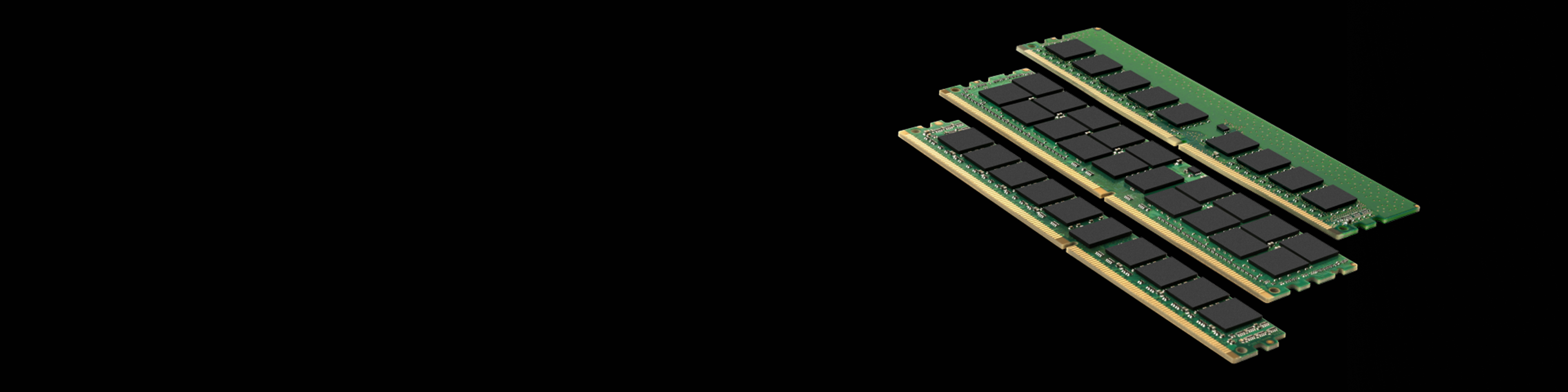
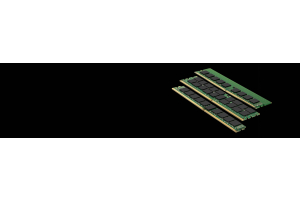
Graphics cards are not the only components affected by the rapid expansion of AI infrastructure. ServerServer memory has also become a critical part of the supply chain.
Modern AI servers require large amounts of RAM alongside GPUs, CPUs, storageStorage and networking hardware. Memory is needed for data preprocessing, virtualization, inference services, databases, caching and the many CPU-side operations that support GPU workloads.
As cloud providers and data-center operators continue to secure inventory, the serverServer memory market has become tighter. The most exposed products are not ordinary desktop RAM kits. Demand is concentrated around DDR5 ECC Registered DIMMs, especially high-capacity modules used in enterprise servers and AI-ready systems.
This guide explains which serverServer RAM types are receiving the most attention, why prices are increasing and what buyers should verify before ordering memory for a serverServer upgrade.
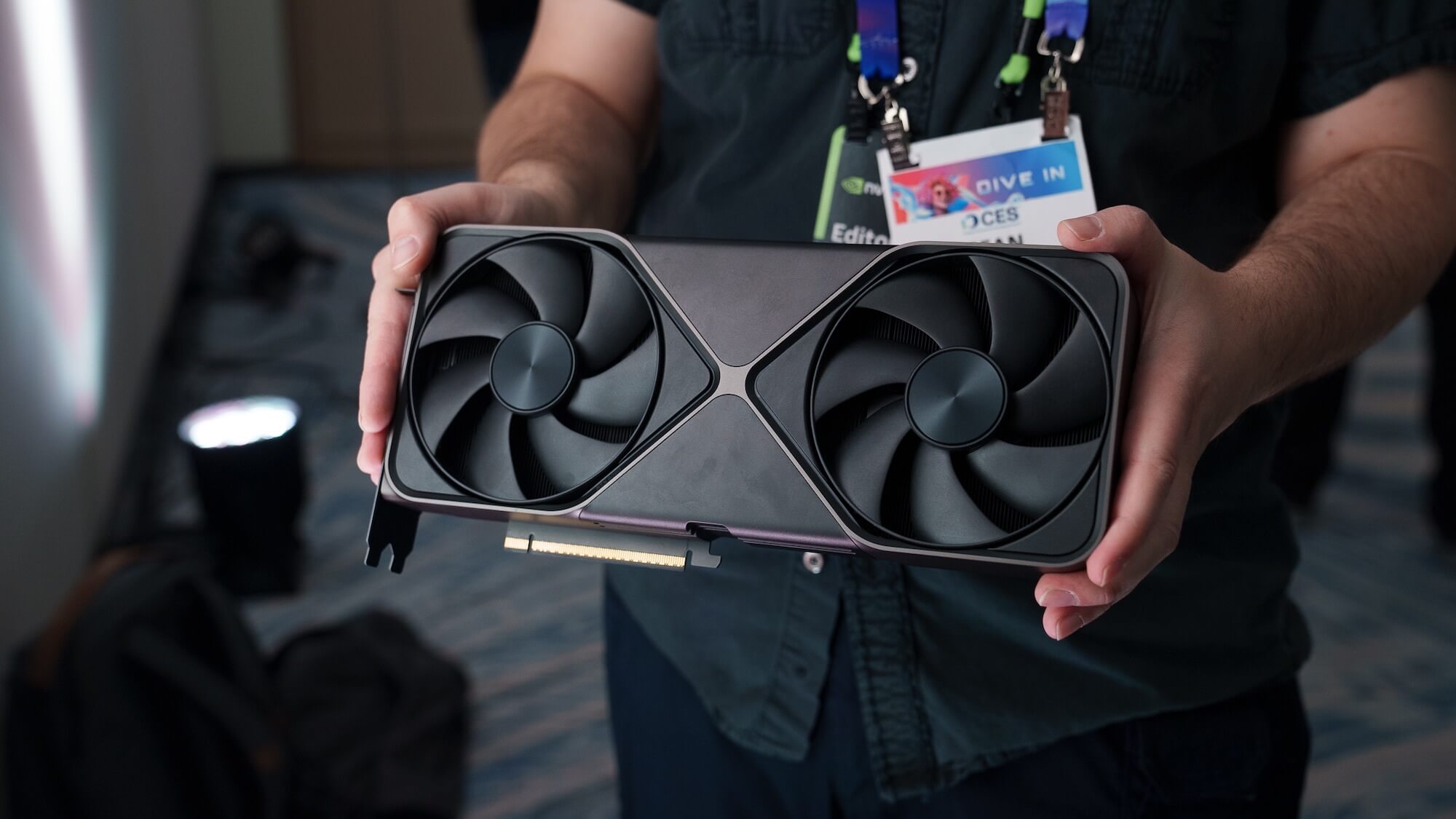
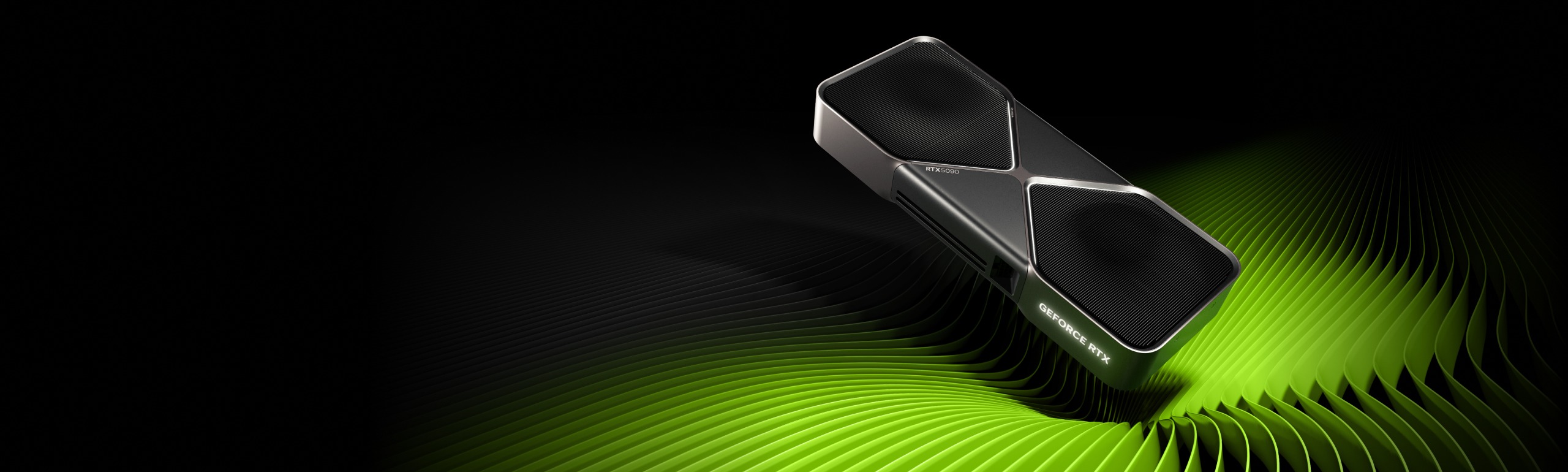
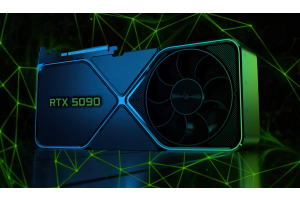
The NVIDIANVIDIA A30 GeForce RTX 5090RTX 5090 is one of the most desirable graphics cards for high-end AI workstationsWorkstations, local inference, content creation and enthusiast PCs. It is also one of the most difficult consumer GPUs to find at a reasonable price.
The card originally launched with a recommended starting price of $1,999, but real-world prices can be substantially higher when stock is limited. In many cases, premium partner models are listed between $2,400 and $3,000 before they sell out. During periods of severe scarcity, market prices can approach $3,500–$4,000 or more.
Why is this happening, and does an RTX 5090RTX 5090 still make sense for AI workloads? This guide explains the shortage, compares the main alternatives and shows what buyers should check before placing an order.
Supermicro is one of the most recognized brands in the professional serverServer hardware market. The company develops servers, GPU systems, serverServer motherboards, chassis, storageStorage platforms, edge computing systems and data center infrastructure for demanding business and technical workloads.
From compact embedded platforms to high-density rackmount servers and multi-GPU AI systems, Supermicro hardware is used to build scalable IT infrastructure for artificial intelligence, machine learning, cloud computing, virtualization, enterprise applications, storageStorage, analytics and high-performance computing.
At Outlet City TechOutlet City Tech, customers can explore Supermicro servers and components for new infrastructure projects, hardware upgrades, system integration and data center expansion. Product availability may vary, but the catalog can include complete servers, motherboards, serverServer chassis, storageStorage hardware and compatible components for a wide range
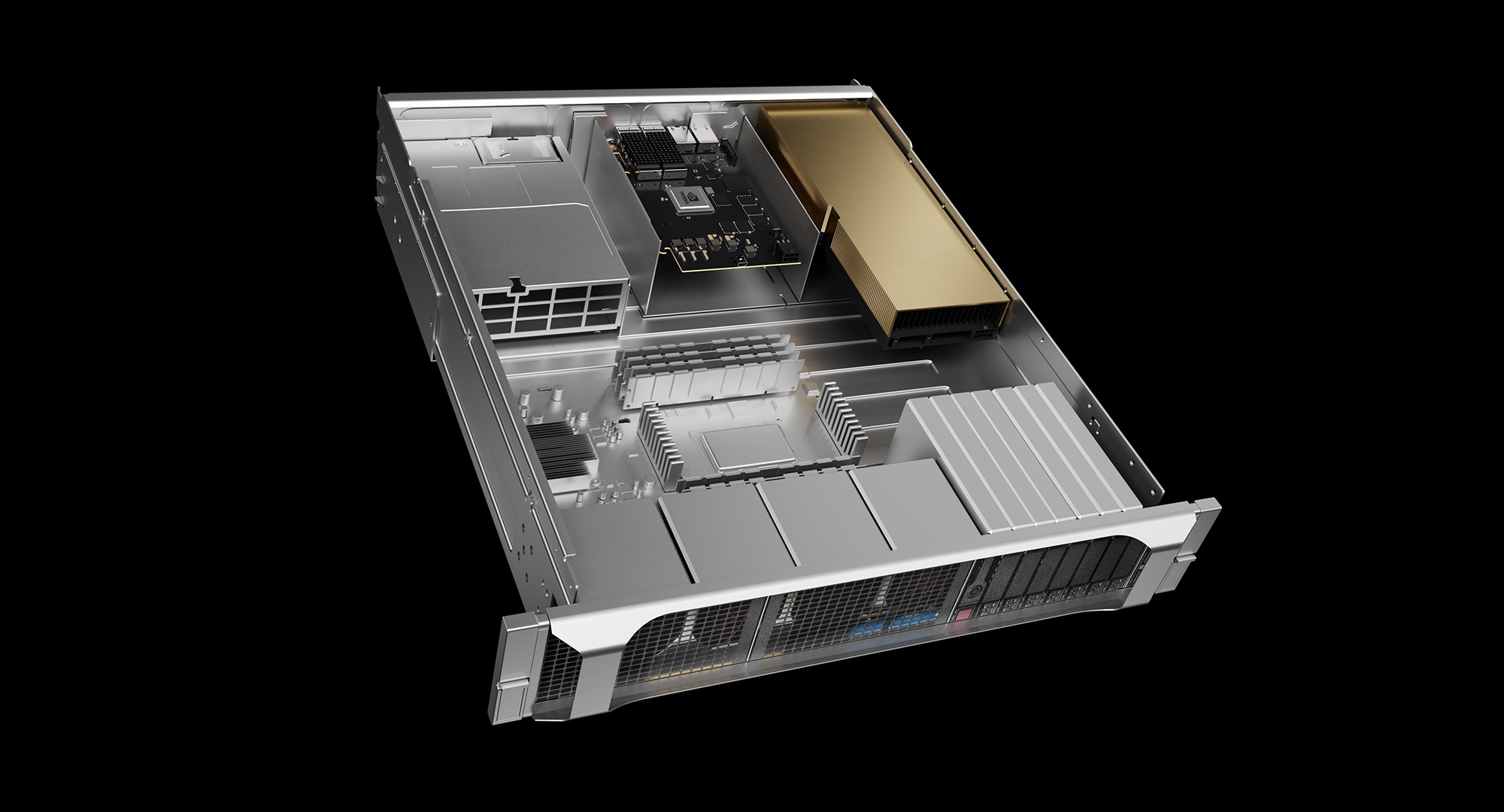
The NVIDIANVIDIA A30 A30 24GB HBM2 PCIe 4.0 dual-slot GPU is not a gaming graphics card and should not be evaluated like one. It is a data center accelerator designed for servers, enterprise AI workloads, inference, mainstream training, analytics and high-performance computing. The part number NvidiaNVIDIA A30 900-21001-0040-100 points to a professional NVIDIANVIDIA A30 A30 configuration with 24GB of high-bandwidth HBM2 memory, PCIe Gen4 connectivity and a dual-slot serverServer form factor. This is the type of GPU that makes sense in a rackmount system, AI node, virtualization host or compute serverServer where stability, memory bandwidth and workload partitioning matter more than video outputs or desktop performance.
For buyers comparing older data center GPUs, the A30 is interesting because it sits in a practical middle ground. It is not as expensive or power-hungry as the largest NVIDIANVIDIA A30 A100-class accelerators, but it is far more serious than consumer or workstation
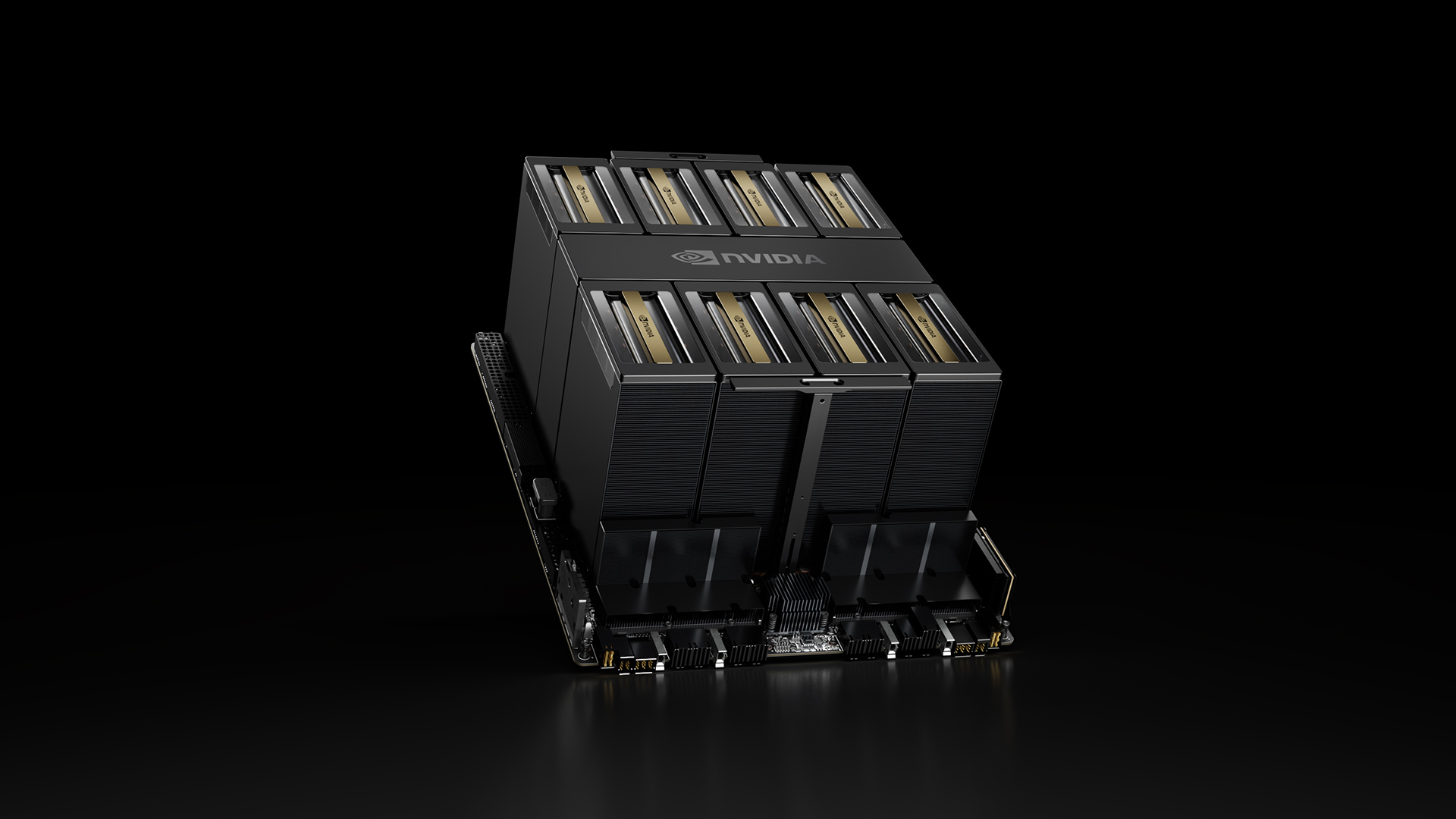
The NVIDIANVIDIA A30 935-26287-00A0-000 HGX B200 8-GPU Baseboard, also known in the market as the NVIDIANVIDIA A30 Umbriel B200 Baseboard, is not a standard graphics card for a workstation or gaming PC. It is a high-density AI compute platform component designed for serious data-center infrastructure, enterprise AI systems, large language model training, advanced inference, high-performance computing and accelerated analytics. Built around the NVIDIANVIDIA A30 Blackwell architecture, the HGX B200 platform represents one of the most important steps forward for organizations that need far more than ordinary GPU acceleration.
At the center of this platform is the NVIDIANVIDIA A30 B200 Tensor Core GPU with 180GB of HBM3e memory per GPU. In an 8-GPU HGX B200 configuration, that creates a massive pool of high-bandwidth memory for large models, complex datasets and demanding AI workloads. For companies building AI factories, private model training clusters, inference infrastructure or next-generation
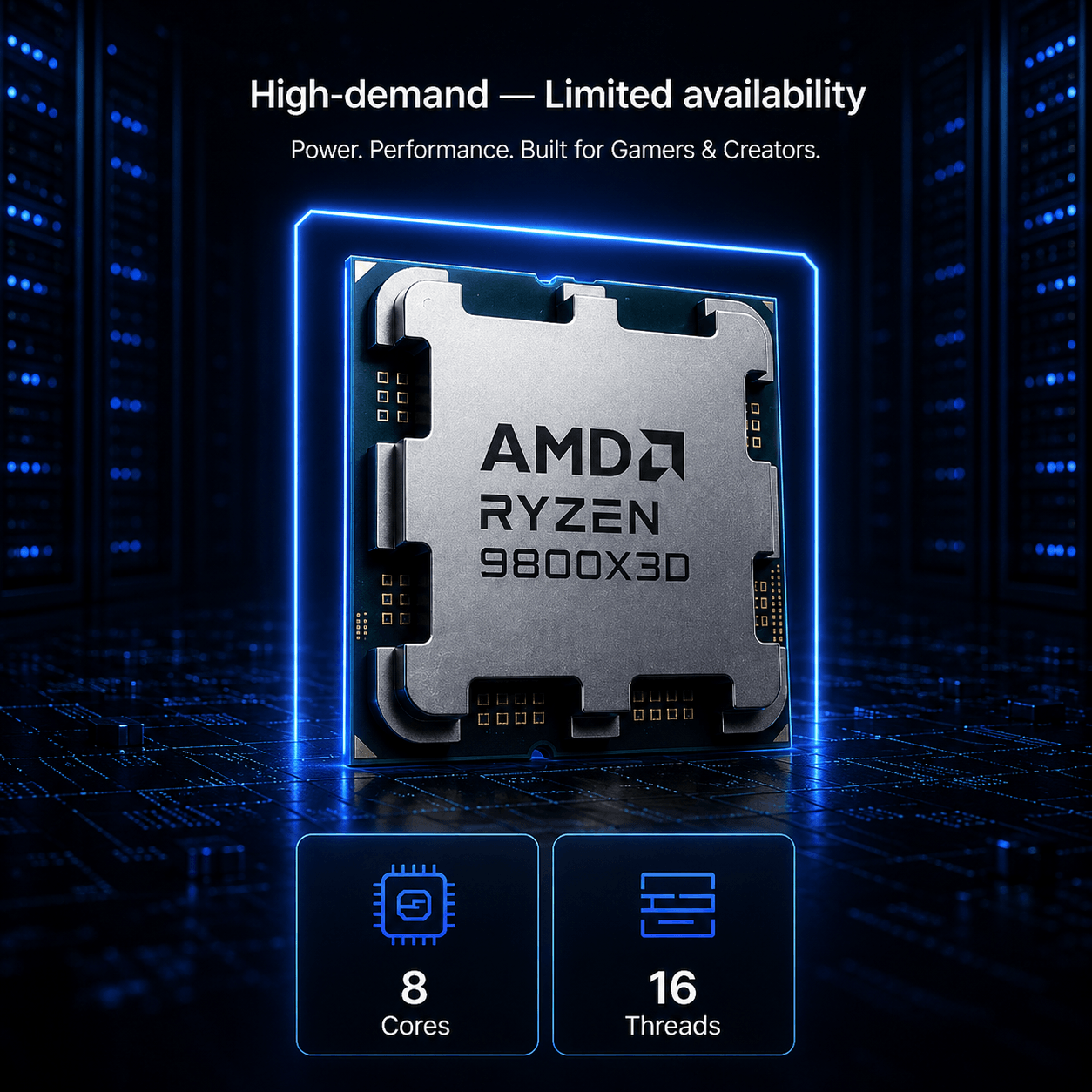
AMD Ryzen 7 9800X3D Review: Best AM5 CPU for Gaming, AI WorkstationsWorkstations and High-Performance Builds
AMD Ryzen 7 9800X3D is one of the most interesting processorsProcessors on the AM5 platform for buyers who want a fast, modern and balanced CPU for high-performance desktop systems. It combines 8 cores, 16 threads, high boost clocks, DDR5 support, PCIe 5.0 platform compatibility and AMD 3D V-Cache technology. For gaming PCs, AI-ready workstationsWorkstations and powerful GPU-based systems, this processor gives a strong foundation without forcing the buyer into a much more expensive workstation platform.
The main reason why Ryzen 7 9800X3D is in high demand is simple: it delivers excellent real-world performance where many users actually feel it. Modern gaming, AI-assisted tools, creative software, local development environments and high-end desktop workflows do not always need the highest possible core count. They need fast response, strong single-core performance, a modern platform,
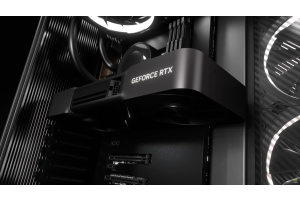
NVIDIANVIDIA A30 GeForce RTX 5090RTX 5090 is one of the most powerful consumer graphics cards for users who need serious GPU performance for artificial intelligence, local AI tools, rendering, 3D work, development and high-performance workstation builds. Built on NVIDIANVIDIA A30 Blackwell architecture and equipped with 32GB of GDDR7 memory, the RTX 5090RTX 5090 is designed for buyers who need more than a regular gaming GPU.
For AI hardware buyers, the most important advantage of the RTX 5090RTX 5090 is its combination of high CUDA core count, large VRAM capacity, fast memory bandwidth and next-generation Tensor Cores. NVIDIANVIDIA A30 lists the RTX 5090RTX 5090 as a Blackwell-based GPU with 32GB of GDDR7 memory and a starting price of $1,999, while independent AI and workstation reviewers highlight its role as a top-end consumer GPU for demanding
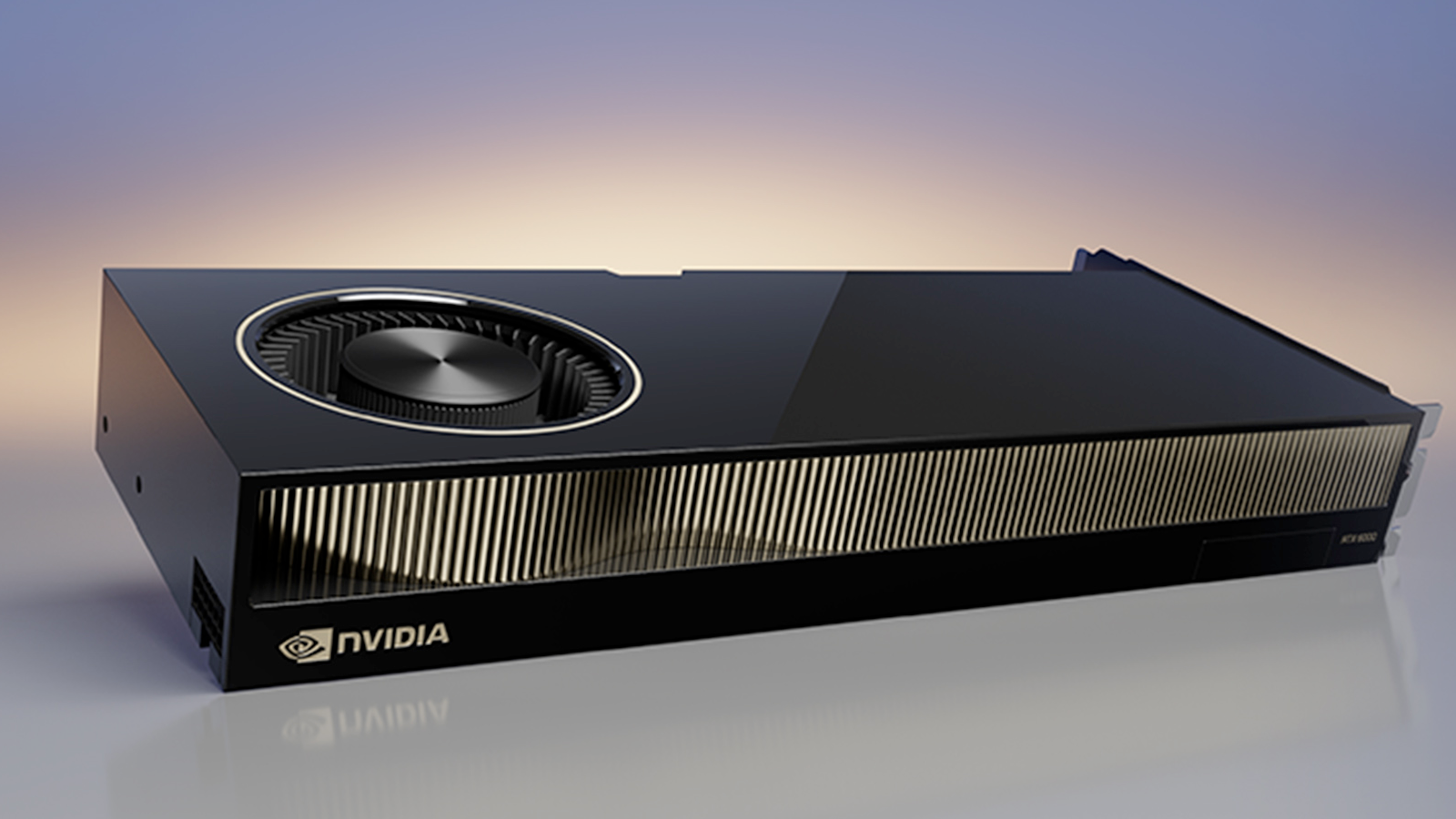
NVIDIANVIDIA A30 RTX PRO 6000 Blackwell Workstation Edition is one of the most powerful professional GPUs for AI workstationsWorkstations, large local models, 3D rendering, engineering, simulation, visual production and high-performance professional desktop systems. Unlike consumer graphics cards, this GPU is built for users and companies that need large GPU memory, professional drivers, workstation stability and serious compute performance.
The main reason why RTX PRO 6000 Blackwell attracts attention in the AI hardware market is its 96GB of GDDR7 ECC memory. For many AI workloads, VRAM capacity is one of the most important specifications. A GPU with more memory can handle larger models, bigger datasets, heavier scenes and more complex multi-application workflows before running into memory limits. NVIDIANVIDIA A30 positions this card for massive 3D and
This website uses cookies to improve your experience. By clicking “Deny”, you consent to the use of Necessary cookies only. You may also accept selected cookies only.