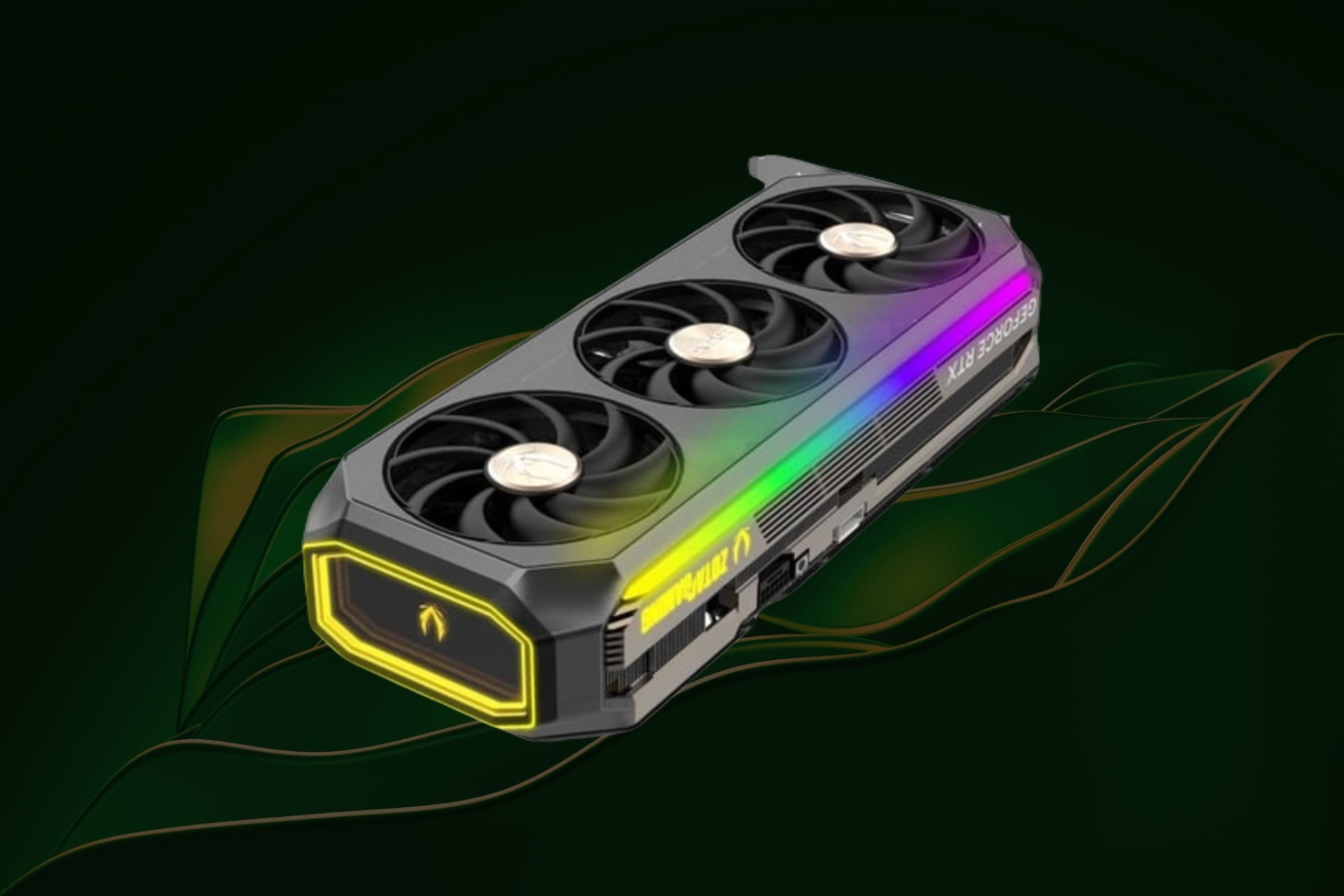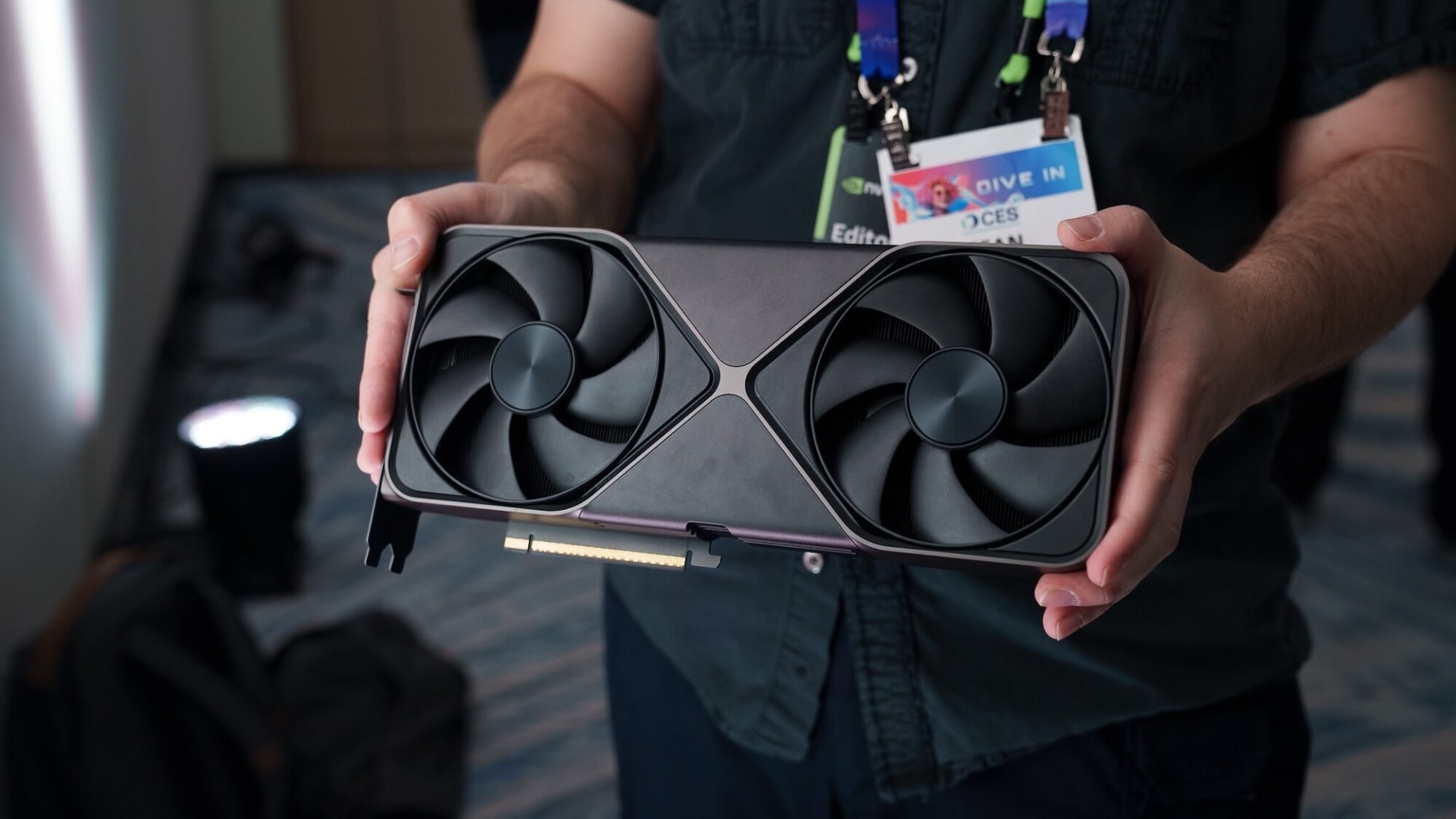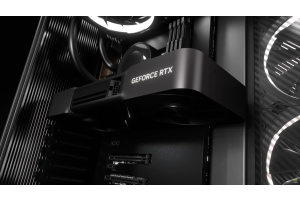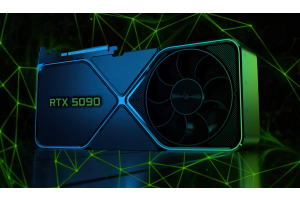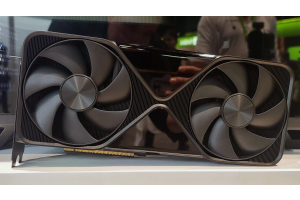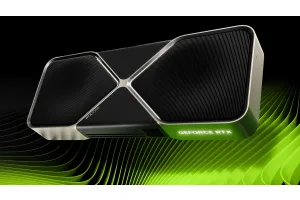


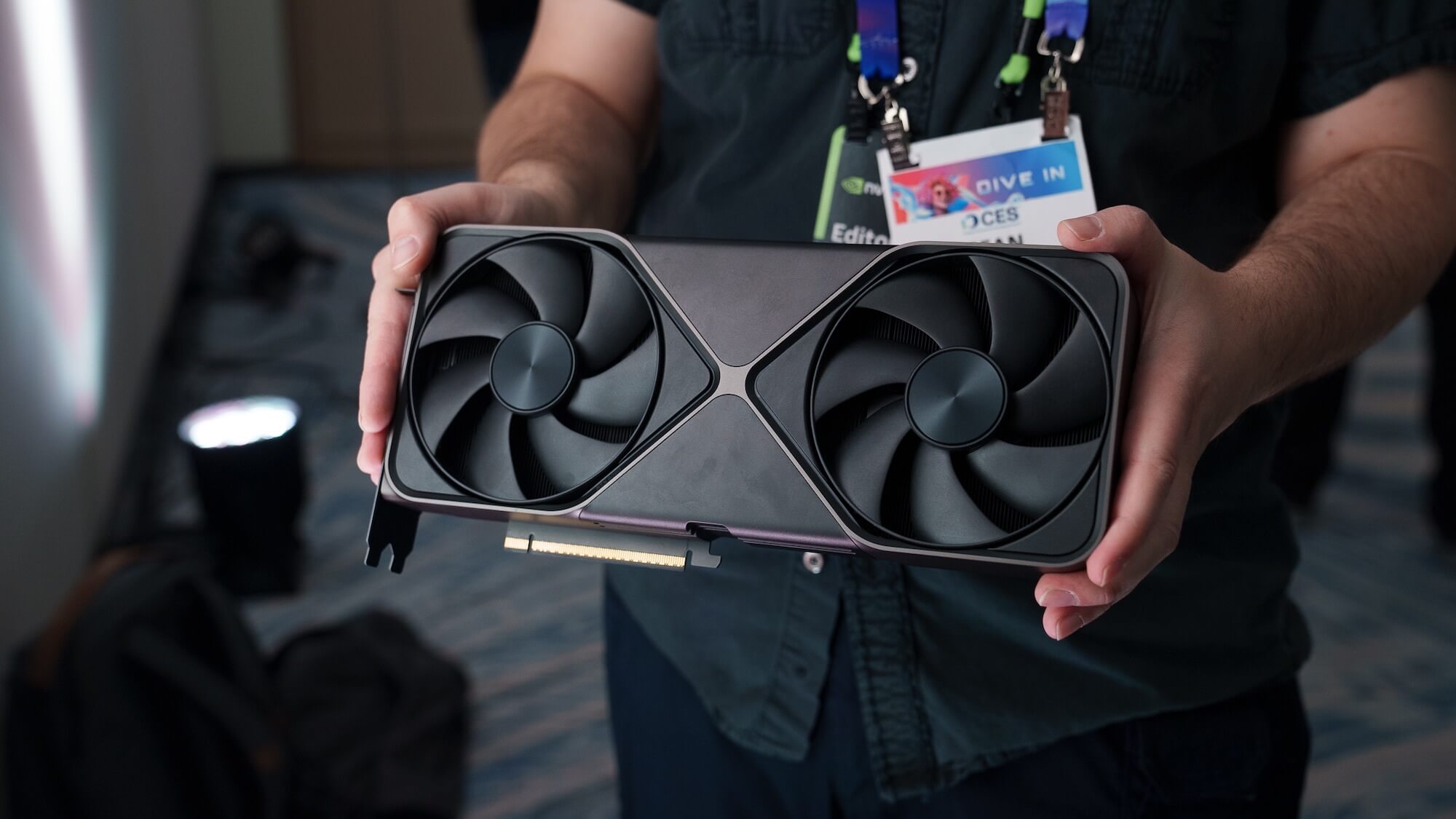
The NVIDIANVIDIA A30 GeForce RTX 5090RTX 5090 is one of the most desirable graphics cards for high-end AI workstationsWorkstations, local inference, content creation and enthusiast PCs. It is also one of the most difficult consumer GPUs to find at a reasonable price.
The card originally launched with a recommended starting price of $1,999, but real-world prices can be substantially higher when stock is limited. In many cases, premium partner models are listed between $2,400 and $3,000 before they sell out. During periods of severe scarcity, market prices can approach $3,500–$4,000 or more.
Why is this happening, and does an RTX 5090RTX 5090 still make sense for AI workloads? This guide explains the shortage, compares the main alternatives and shows what buyers should check before placing an order.
RTX 5090RTX 5090 Specifications at a Glance
| Specification | NVIDIANVIDIA A30 GeForce RTX 5090RTX 5090 |
|---|---|
| Architecture | NVIDIANVIDIA A30 Blackwell |
| CUDA Cores | 21,760 |
| AI Performance | 3,352 AI TOPS |
| Video Memory | 32 GB GDDR7 |
| Memory Interface | 512-bit |
| Memory Bandwidth | 1,792 GB/s |
| Total Graphics Power | 575 W |
| Recommended System Power | 1,000 W |
| Launch MSRP | $1,999 |
The standout feature is the 32 GB of GDDR7 memory. For AI workloads, VRAM capacity is often as important as raw computing power. More memory allows users to run larger models, process higher-resolution images, work with longer contexts and avoid frequent transfers between system RAM and GPU memory.
Why Is the RTX 5090RTX 5090 in Short Supply?
The shortage is not caused by a single factor. Several supply and demand pressures are affecting the market at the same time.
1. The global memory shortage affects graphics cards
Modern GPUs depend on advanced memory chips. The RTX 5090RTX 5090 uses 32 GB of high-speed GDDR7 memory, while many manufacturers are also facing intense demand for memory used in AI servers, data centers, PCs and other electronics.
AI infrastructure expansion has increased demand across the memory market. When manufacturers have limited capacity, consumer graphics cards compete with higher-margin professional and data-center products for components.
2. One RTX 5090RTX 5090 uses as much VRAM as two RTX 5080 cards
The RTX 5080 uses 16 GB of GDDR7 memory. The RTX 5090RTX 5090 uses 32 GB.
That creates a simple supply-chain trade-off: the same amount of GDDR7 memory required for one RTX 5090RTX 5090 could be used to produce two RTX 5080 cards.
The RTX 5090RTX 5090 also requires a larger GPU die, a more complex board design and a more demanding cooling system. Even when demand is strong, producing more RTX 5080 units can be commercially attractive because it puts more sellable products on store shelves.
3. Demand comes from more than gaming
The RTX 5090RTX 5090 is marketed as a consumer GPU, but its 32 GB memory capacity also makes it attractive for professional and semi-professional workloads:
- local LLM inference;
- generative AI image workflows;
- video processing and rendering;
- CUDA development;
- 3D visualization;
- research and experimentation;
- high-end workstation builds.
It occupies an unusual position in the market: it offers considerably more VRAM than most consumer GPUs while remaining far less expensive than enterprise-grade workstation accelerators.
4. Official listings sell out quickly
The Founders Edition is not the only model affected by limited availability. Partner cards from ASUS, MSI, Gigabyte and other manufacturers can also disappear from stock rapidly.
This creates a widening gap between the official price and the price buyers encounter when they need a card immediately.
What Is a Realistic RTX 5090RTX 5090 Price?
There is no single correct RTX 5090RTX 5090 price during a shortage. Pricing depends on the manufacturer, cooling system, warranty, seller, taxes, delivery region and whether the item is actually in stock.
The following table shows useful price reference points.
| RTX 5090RTX 5090 Version | Listed Price | Availability Pattern |
| NVIDIANVIDIA A30 Founders Edition | $1,999 | Rarely available at MSRP |
| MSI Gaming Trio OC | $2,399.99 | Frequently out of stock |
| MSI Ventus 3X OC | $2,749.99 | Frequently out of stock |
| ASUS ROG Astral OC | $2,799.99 | Frequently out of stock |
| MSI Suprim Liquid SOC | $2,999.99 | Frequently out of stock |
| Immediate market availability during severe shortage | Approximately $3,500–$4,000+ | Depends heavily on seller and region |
Prices can change quickly. VAT, import duties and delivery costs may also affect the final price outside the United States.
How to interpret the price
A price close to $1,999 is excellent for a legitimate new Founders Edition card, but availability at MSRP is uncommon.
A price between $2,400 and $3,000 can be reasonable for a premium partner model with a strong cooling solution and full warranty.
A price around $3,500–$4,000 reflects shortage conditions rather than normal value. At this level, buyers should compare the card against complete prebuilt systems and professional workstation options.
A suspiciously low price from an unknown marketplace seller should be treated carefully. For an expensive GPU, seller verification, warranty terms and a clearly identified model number matter more than saving a few hundred dollars.
RTX 5090RTX 5090 vs RTX 5080 vs RTX 4090 for AI Workloads
The most expensive GPU is not automatically the best purchase for every workload. The correct choice depends on VRAM requirements, performance targets and budget.
| GPU | Architecture | VRAM | Memory Bandwidth | Launch MSRP | Best Use Case |
| GeForce RTX 5090RTX 5090 | Blackwell | 32 GB GDDR7 | 1,792 GB/s | $1,999 | High-end local AI, advanced workstationsWorkstations and demanding creative workloads |
| GeForce RTX 5080 | Blackwell | 16 GB GDDR7 | 960 GB/s | $999 | Strong value when 16 GB VRAM is sufficient |
| GeForce RTX 4090 | Ada Lovelace | 24 GB GDDR6X | 1,008 GB/s | $1,599 | Still capable for AI workloads when sourced at a sensible price |
| RTX PRO 6000 Blackwell Workstation Edition | Blackwell | 96 GB GDDR7 ECC | Professional class | Professional pricing | Enterprise workloads requiring much more VRAM and ECC memory |
RTX 5090RTX 5090 vs RTX 5080
The RTX 5080 is significantly less expensive and easier to justify for gaming, rendering and AI tasks that fit comfortably within 16 GB of VRAM.
However, the memory difference is substantial. For local AI workloads, 16 GB can become the limiting factor before raw GPU performance does. The RTX 5090RTX 5090 is the more flexible option for users who know they need larger models, higher-resolution generation or more demanding workflows.
RTX 5090RTX 5090 vs RTX 4090
The RTX 4090 remains relevant because it includes 24 GB of GDDR6X memory. It can still handle many local AI and creative workloads effectively.
The RTX 5090RTX 5090 adds:
- 8 GB more VRAM;
- substantially higher memory bandwidth;
- the newer Blackwell architecture;
- fifth-generation Tensor Cores;
- a stronger long-term position for advanced workstation builds.
The RTX 4090 can still be a rational purchase if it is available at a meaningfully lower price from a reliable source. If the price difference is small, the RTX 5090RTX 5090 is usually the more future-ready choice.
RTX 5090RTX 5090 vs RTX PRO 6000 Blackwell
The RTX PRO 6000 Blackwell Workstation Edition belongs to a different product class. Its 96 GB of GDDR7 ECC memory is designed for professional workloads that exceed the limits of consumer graphics cards.
For many local AI users and small workstation deployments, the RTX 5090RTX 5090 offers a more accessible balance of performance, memory capacity and cost.
For enterprise environments, large models and workloads where ECC memory is important, a professional GPU may be the better solution despite the higher price.
Is the RTX 5090RTX 5090 Worth Buying for Local AI?
The RTX 5090RTX 5090 makes the most sense when the buyer can use its 32 GB memory capacity productively.
It is a strong choice for:
- developers running local AI models;
- professionals working with generative AI tools;
- creators processing large image or video projects;
- workstation users who want maximum consumer-GPU performance;
- buyers who need more than 16 GB or 24 GB of VRAM but are not ready for enterprise GPU pricing.
It may be excessive for:
- basic office systems;
- gaming at modest resolutions;
- lightweight AI experiments;
- workloads that fit easily into 12–16 GB of VRAM;
- buyers who would have to compromise the rest of the system to afford the GPU.
In those cases, the RTX 5080 or another well-balanced GPU may provide better value.
What to Check Before Buying an RTX 5090RTX 5090
Before purchasing an RTX 5090RTX 5090, verify the complete product details rather than relying only on the GPU name.
Confirm the exact manufacturer model
Different RTX 5090RTX 5090 cards use different cooling systems, dimensions and factory clock settings. Check the manufacturer part number, product photographs and technical specifications.
Verify the warranty
For a high-value GPU, warranty coverage is essential. Check whether the warranty is provided by the retailer, the manufacturer or both.
Check the power supply
The RTX 5090RTX 5090 Founders Edition has a total graphics power rating of 575 W. NVIDIANVIDIA A30 lists 1,000 W as the required system power for its reference specification, although the exact requirement depends on the complete build.
A high-quality power supply and correct PCIe power connection are important for a stable workstation.
Check the case dimensions
Partner models can be larger than the Founders Edition. Confirm card length, slot width and airflow requirements before ordering.
Compare a standalone GPU against a complete system
During severe shortages, the price of an RTX 5090RTX 5090 card can approach the cost of a complete high-end PC that already includes the GPU.
A standalone card is usually the better option for an existing workstation upgrade. A complete system may offer better total value for buyers building from scratch.
Will RTX 5090RTX 5090 Prices Fall?
The RTX 5090RTX 5090 price may improve when memory supply becomes less constrained and retail inventory stabilizes. However, there is no guarantee that the card will remain consistently available near its original MSRP.
The safest approach is to compare:
- the actual in-stock price;
- the exact partner model;
- the warranty;
- the cost of an RTX 5080 or RTX 4090 alternative;
- the price of a complete workstation;
- the amount of VRAM the workload genuinely requires.
Buying at any price simply because a card is scarce is rarely a good strategy. The correct GPU is the one that improves the performance of a real workload enough to justify its total cost.
Final Thoughts
The NVIDIANVIDIA A30 GeForce RTX 5090RTX 5090 is in short supply because it combines several qualities that are difficult to replace: a Blackwell GPU, 32 GB of GDDR7 memory, very high memory bandwidth and broad compatibility with consumer workstation hardware.
It is not the right card for every buyer. But for local AI, advanced creative work and high-end CUDA workloads, it occupies a valuable middle ground between mainstream consumer GPUs and much more expensive professional accelerators.
At Outlet City TechOutlet City Tech, we focus on AI-ready graphics cards, workstation components and serverServer hardware for customers who need practical computing power for demanding workloads.