

NVIDIANVIDIA A30 GeForce RTX 5090RTX 5090 Review for AI: Best GPU for Local AI, Rendering and High-Performance WorkstationsWorkstations?
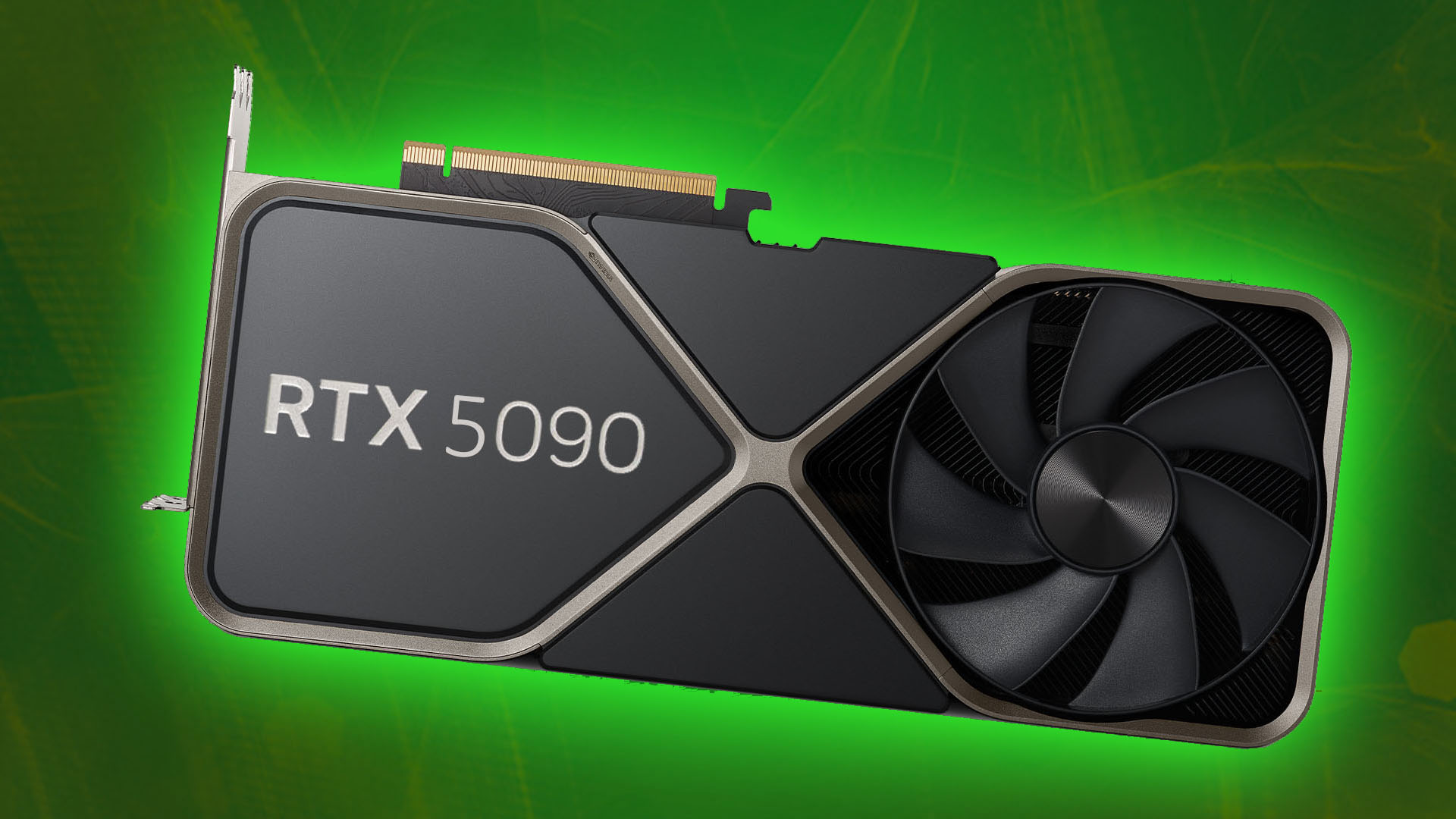
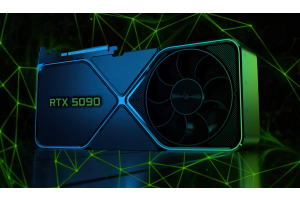
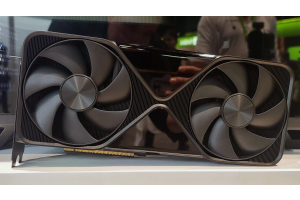
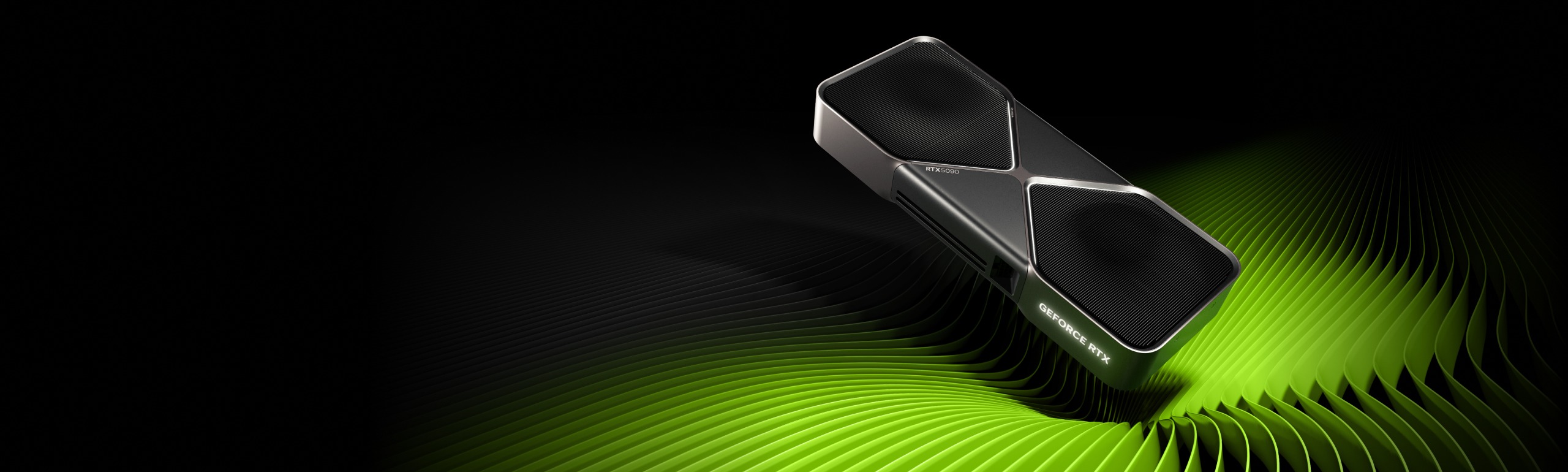
NVIDIANVIDIA A30 GeForce RTX 5090RTX 5090 is one of the most powerful consumer graphics cards for users who need serious GPU performance for artificial intelligence, local AI tools, rendering, 3D work, development and high-performance workstation builds. Built on NVIDIANVIDIA A30 Blackwell architecture and equipped with 32GB of GDDR7 memory, the RTX 5090RTX 5090 is designed for buyers who need more than a regular gaming GPU.
For AI hardware buyers, the most important advantage of the RTX 5090RTX 5090 is its combination of high CUDA core count, large VRAM capacity, fast memory bandwidth and next-generation Tensor Cores. NVIDIANVIDIA A30 lists the RTX 5090RTX 5090 as a Blackwell-based GPU with 32GB of GDDR7 memory and a starting price of $1,999, while independent AI and workstation reviewers highlight its role as a top-end consumer GPU for demanding creative and AI workloads. :contentReference[oaicite:0]{index=0}
This card is especially interesting for users who want to run local AI models, experiment with machine learning, accelerate rendering, work with large creative projects or build a powerful workstation around one premium GPU. It is not a cheap graphics card, and it requires serious power and cooling, but for the right buyer it can become the main performance engine of an AI-ready desktop system.
What Is NVIDIANVIDIA A30 GeForce RTX 5090RTX 5090?
NVIDIANVIDIA A30 GeForce RTX 5090RTX 5090 is the flagship GeForce graphics card of the RTX 50 generation. It is aimed at gamers, creators, developers and workstation users who need very high graphics and compute performance. Unlike entry-level or mid-range GPUs, the RTX 5090RTX 5090 is built for demanding workloads where VRAM, memory bandwidth, GPU acceleration and AI performance matter.
The RTX 5090RTX 5090 is not only a gaming card. It is also used by creators, AI developers, 3D artists and technical users who need a powerful local GPU for applications that support CUDA, Tensor Cores, GPU rendering and AI acceleration. Puget Systems describes the RTX 5090RTX 5090 as a very powerful consumer GPU, while also warning that buyers must consider price, power draw and heat output before building a system around it. :contentReference[oaicite:1]{index=1}
NVIDIANVIDIA A30 GeForce RTX 5090RTX 5090 Key Specifications
Why RTX 5090RTX 5090 Is Popular for AI
The RTX 5090RTX 5090 is popular for AI because it offers a rare combination of consumer availability, strong CUDA performance, large VRAM and modern Tensor Core acceleration. Many local AI tools benefit from NVIDIANVIDIA A30 GPUs because of CUDA ecosystem support, and 32GB of VRAM gives users more room than 16GB or 24GB cards for larger models, heavier projects and more demanding workflows.
For many buyers, VRAM is one of the most important GPU specifications for AI. A card with more memory can handle larger models or more complex workloads before running into memory limits. The RTX 5090RTX 5090’s 32GB GDDR7 memory makes it much more attractive for local AI work than mainstream gaming GPUs with lower VRAM capacity.
Independent AI testing also shows that the RTX 5090RTX 5090 improves over the RTX 4090 in Tensor Core count and supported precision formats. Puget Systems notes that the RTX 5090RTX 5090 moves from 512 fourth-generation Tensor Cores on the RTX 4090 to 680 fifth-generation Tensor Cores, with architectural changes that matter for new AI workflows. :contentReference[oaicite:2]{index=2}
Review Summary: What Buyers Should Know
AI Performance
The RTX 5090RTX 5090 is built for demanding AI workloads with 32GB GDDR7 memory, 680 Tensor Cores and Blackwell architecture.
Best for local AI, machine learning experiments and GPU-accelerated workflows.VRAM Advantage
32GB of VRAM gives the card more room for larger models, heavy creative projects and demanding GPU applications.
A major advantage over lower-VRAM gaming GPUs.Rendering and 3D
The card is also very strong for GPU rendering, 3D work, visual production and creator workloads that can use CUDA acceleration.
Good for creators who need both AI and rendering power.Power and Cooling
The RTX 5090RTX 5090 is a high-power card, so it needs a strong power supply, proper airflow and a case that can handle heat.
Not suitable for weak power supplies or compact poorly cooled systems.Price
The official starting price is high, and real market prices can be higher when stock is limited.
Best for buyers who need top performance, not budget builds.Best Buyer Type
The RTX 5090RTX 5090 is best for AI developers, creators, 3D artists and power users building one serious workstation.
Ideal for premium AI-ready desktop systems.Is RTX 5090RTX 5090 Good for Local AI?
Yes. NVIDIANVIDIA A30 GeForce RTX 5090RTX 5090 is one of the strongest consumer GPUs for local AI work. Its 32GB of VRAM is especially important because many AI workloads become limited by memory before raw compute power becomes the main problem. For users working with local models, AI image generation, inference, development tools or GPU-accelerated experiments, the RTX 5090RTX 5090 gives more headroom than mainstream GPUs.
However, buyers should understand that not every AI workload scales the same way. Some tools benefit mainly from VRAM, some from CUDA performance, and others from specific precision support or software optimization. This is why the RTX 5090RTX 5090 is powerful, but still needs to be matched with the right CPU, enough system RAM, fast NVMe storageStorage and proper cooling.
RTX 5090RTX 5090 for WorkstationsWorkstations and Creators
For creators, the RTX 5090RTX 5090 is a strong option for rendering, 3D work, video-related GPU acceleration, visual effects, AI-assisted creative tools and heavy multitasking. Puget Systems calls it a very powerful consumer GPU for content creation, but also points out that its price, power draw and heat output must be taken seriously when planning a workstation. :contentReference[oaicite:3]{index=3}
This makes the RTX 5090RTX 5090 a premium choice rather than a universal recommendation. If a user only needs basic gaming or light creative work, it is too expensive. But if the goal is to build one serious workstation for AI, rendering, development and high-end GPU workloads, the RTX 5090RTX 5090 is one of the most attractive consumer cards available.
Who Should Buy NVIDIANVIDIA A30 GeForce RTX 5090RTX 5090?
Buy it if you need:
- A premium GPU for local AI workloads
- 32GB VRAM for larger models and heavy projects
- Strong CUDA and Tensor Core acceleration
- A powerful card for rendering, 3D and creative work
- A flagship GPU for a serious AI-ready workstation
Consider another GPU if you need:
- A budget graphics card
- A low-power workstation
- A compact build with limited cooling
- Enterprise features such as ECC memory
- Multi-GPU serverServer deployment with professional support
RTX 5090RTX 5090 vs RTX 4090 for AI
The RTX 4090 is still a powerful GPU, but the RTX 5090RTX 5090 brings a newer Blackwell architecture, more VRAM, faster GDDR7 memory and more Tensor Cores. For users already working with AI tools and hitting memory or performance limits, the RTX 5090RTX 5090 can be a meaningful upgrade. For users who only do light AI experiments, the price difference may be harder to justify.
The biggest practical difference for many AI buyers is memory. Moving from 24GB on the RTX 4090 to 32GB on the RTX 5090RTX 5090 gives more room for larger local workloads. That does not make the RTX 5090RTX 5090 the right card for every user, but it does make it a much more attractive option for serious AI desktop builds.
Final Verdict
NVIDIANVIDIA A30 GeForce RTX 5090 is one of the best consumer GPUs for buyers who want serious AI performance, large VRAM capacity and premium workstation power in a desktop system. It is expensive, power-hungry and not necessary for every user, but for local AI, rendering, 3D work and high-performance GPU workloads, it is one of the strongest options available.
For Outlet City TechOutlet City Tech customers, the RTX 5090 makes the most sense in premium AI-ready workstationsWorkstations, creator systems and high-end desktop builds where GPU performance is the main priority. If you need 32GB of VRAM, modern Tensor Cores and a flagship NVIDIANVIDIA A30 platform, this card belongs at the top of your shortlist.
FAQ
Is NVIDIANVIDIA A30 GeForce RTX 5090 good for AI?
Yes. RTX 5090 is very strong for local AI workloads because it has 32GB GDDR7 memory, high CUDA performance and 5th-generation Tensor Cores.
How much VRAM does RTX 5090 have?
NVIDIANVIDIA A30 GeForce RTX 5090 has 32GB of GDDR7 memory, which is important for larger local AI models, rendering projects and demanding GPU workloads.
Is RTX 5090 better than RTX 4090 for AI?
For many AI workloads, RTX 5090 can be better because it has more VRAM, newer Tensor Cores and Blackwell architecture. However, the value depends on workload, software and price.
Does RTX 5090 need a strong power supply?
Yes. RTX 5090 is a high-power graphics card and should be used with a strong quality power supply, good airflow and proper case cooling.
Is RTX 5090 good for rendering?
Yes. RTX 5090 is a strong GPU for rendering, 3D work and creative applications that support NVIDIANVIDIA A30 GPU acceleration.
Who should buy RTX 5090?
RTX 5090 is best for AI developers, creators, 3D artists, researchers and power users who need a flagship GPU for serious local workloads.