

A recognizable name can attract attention, but proportion and usability determine long-term value. On Gucci and the glory of the non-logo logo: Design Guide is examined here through design, styling, practical use and long-term ownership.
This OutletCity article places Gucci design within the Gucci guide library. Seasonal relevance is useful, but the stronger test is whether the design can work across several parts of a wardrobe.
Why this Gucci story matters
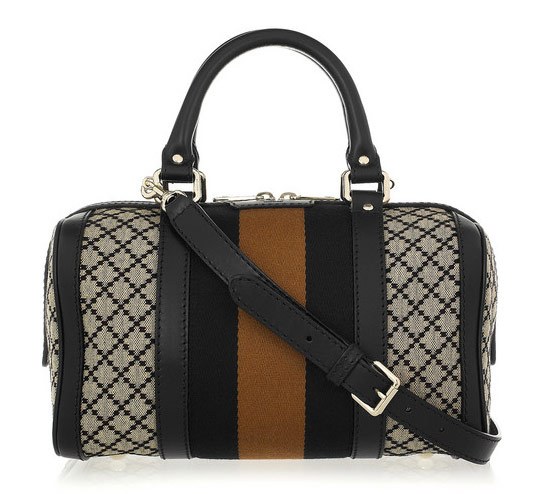
Ophidia and GG designs use monogram, web stripes and archival references to create a recognizable visual system. Shape and trim determine whether the result feels sporty, classic or travel-oriented.
The visual idea should be tested against practical details. Scale changes capacity, material changes maintenance, and the position of a strap can change both comfort and the way clothing sits underneath it.

Design, material and proportion
The canvas treatment adds a specific care and styling question: texture may strengthen the design, but it can also change weather resistance, color transfer and long-term maintenance. Look at the outline from the front, side and base to understand how structure and capacity are distributed.
- Compare external dimensions with usable interior space.
- Check how the closure affects access and security.
- Consider empty weight before adding daily essentials.
- Look at the strap, handle and body as one carrying system.
- Assess whether hardware and surface finishes suit frequent use.



How to style and use it
Monogram works best as a controlled pattern. Pair it with solid colors, denim, knitwear or neutral outerwear and avoid introducing too many competing logos.
Scale should follow the clothing silhouette. Compact bags sharpen oversized layers, while larger shapes sit more naturally with relaxed tailoring, outerwear and substantial footwear.
Buying checklist
Check canvas alignment, leather trim, corner wear, zipper movement and strap attachment points. Consider whether the pattern will serve as a daily neutral or an occasional statement.
- Confirm current dimensions, materials and included accessories.
- Compare capacity with the items you carry most often.
- Inspect stitching, edges, lining, hardware and closure movement.
- For pre-owned pieces, verify condition, provenance and authenticity.
- Review return terms before completing the purchase.



Care and long-term use
Keep coated canvas away from prolonged heat and avoid harsh solvents. Condition only the leather trim with a suitable product and store the bag away from color transfer.
Rotate frequently used bags so materials can rest. Remove contents, wipe clean hands over hardware and store the piece away from direct sunlight, humidity and color-transfer risks.
Final perspective
Treat photographs as a starting point and specifications as a reality check. The most convincing design is one whose materials, capacity and carrying options match the way it will actually be used.
Availability, dimensions, colors and prices can change. Confirm current specifications with the brand or an authorized retailer before buying.
Leave a comment
Your email address will not be published. Email is optional. Required fields are marked *